Art of Architectural Models: Conceptual Expression in Miniature Spaces"

Aug 28, 2025 By

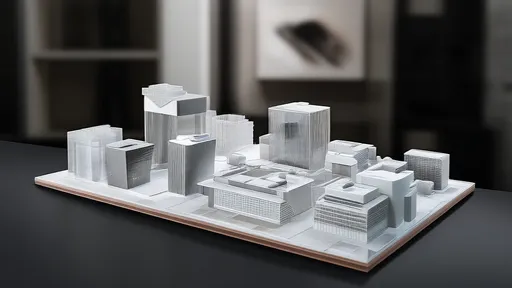
In the hushed galleries where scale becomes an illusion and detail commands reverence, architectural model making transcends its traditional role as a mere representation of a future structure. It has blossomed into a profound artistic discipline, a medium where concepts are not just shown but felt, where space is not just measured but experienced. This is the world of architectural model art—a realm where miniature worlds breathe life into big ideas.

The journey of an architectural model from utilitarian tool to expressive art form is a fascinating evolution. Historically, these models served pragmatic purposes: to convince a patron, to test structural logic, or to provide a builder with a three-dimensional guide. They were, in essence, a means to an end. Yet, somewhere along the way, the hands that carved the balsa wood and applied the acrylic paint began to invest more than just technical skill. They began to imbue these microcosms with narrative, emotion, and a point of view. The model ceased to be a simple facsimile and became a translation—an interpretation of an architectural idea filtered through the artist's unique sensibility.

This artistic shift is powerfully evident in the materials and methods employed by contemporary model artists. No longer confined to traditional basswood and foam core, the modern practitioner is an alchemist of the mundane. Found objects, repurposed industrial materials, translucent resins, and even digital components are fused together. The choice of material is never arbitrary; it is a deliberate part of the conceptual statement. A model exploring the memory of a site might incorporate earth and fragments salvaged from it. A concept about impermanence might be rendered in ice or biodegradable compounds, destined to change and decay over the course of an exhibition. The texture, the weight, the very substance of the model carries meaning, adding a tactile, visceral layer to the intellectual exercise of architecture.

Perhaps the most captivating aspect of this art form is its unique manipulation of scale and perception. By shrinking the vast to the handheld, the model artist creates an intimate dialogue between the viewer and the concept. We are granted god-like dominion over a city block, able to comprehend its entirety in a single glance. This shift in perspective is not just physical but psychological. It allows us to engage with complex urban planning theories or philosophical ideas about shelter and community in a direct, almost primal way. The miniature demands close inspection; it draws the viewer in, forcing a focus on details that would be lost in a full-scale building. In this intimate space, a single, perfectly placed figurine can tell a story of human habitation more effectively than a thousand-word description.

Light plays a role in these miniature worlds that can only be described as cinematic. Artists meticulously choreograph light and shadow to evoke mood, highlight form, and suggest the passage of time within their static creations. A carefully placed pinpoint light can simulate the noon sun, casting sharp, defining shadows that articulate the depth of a facade. Diffused, ambient light might suggest the melancholy haze of dawn, softening edges and blurring forms to create a dreamlike atmosphere. Some models incorporate internal lighting, causing translucent materials to glow from within, suggesting life, energy, or perhaps the soul of the structure itself. This mastery of illumination transforms the model from an object to be observed into an environment to be felt.

The narrative capacity of these conceptual models is where they truly separate themselves from their technical counterparts. They are not answers, but questions. They are physical manifestations of "what if?" What if a building could grow like a crystal? What if our homes could reflect the fragmented nature of digital memory? What if we built with time, and not against it? These models tell stories of place, of history, of future possibilities, and of ecological relationships. They can be critical commentaries on consumerism, poignant meditations on loss, or optimistic proposals for new ways of living. The story is not appended to the model; it is baked into its very core, evident in every cut, every joint, and every chosen material.

In today's digital age, where photorealistic renderings and virtual reality walkthroughs are ubiquitous, the persistence and growing prestige of the physical model might seem paradoxical. Yet, it is precisely this tangibility that secures its relevance. In a world increasingly experienced through screens, the physical, tactile presence of a well-crafted model offers an authentic and resonant encounter that pixels cannot replicate. It is an object of authenticity in a virtual sea. It acknowledges the human hand, the slight imperfection, the grain of the material—things that connect us to the act of creation on a deeply human level.

Looking forward, the boundaries of architectural model art continue to expand. The fusion of digital fabrication techniques like 3D printing and laser cutting with hand-finishing allows for an unprecedented level of detail and complexity. We are beginning to see hybrid models that incorporate interactive elements, responding to viewers' presence or changing based on data inputs. Yet, despite these technological advances, the heart of the practice remains the same: the potent act of giving physical form to an abstract idea. It is a testament to our enduring desire to make ideas tangible, to hold a thought in our hands, and to see the world not only as it is, but as it could be.

Ultimately, the art of the architectural model is a language of its own. It speaks of space, form, and light, but also of memory, aspiration, and critique. It reminds us that architecture is not merely about enclosure and function, but about experience and emotion. These miniature worlds, in their meticulous detail and profound conceptual depth, challenge us to look closer, think deeper, and imagine broader. They are not small things; they are vast ideas, concentrated.
Recommend Posts
Arts

Literary Illustration Creation: The Narrative Transformation from Text to Image"

By /Aug 28, 2025

In the intricate dance between literature and visual art, the creation of literary illustrations stands as a profound act of translation—a metamorphosis of narrative from the abstract realm of words into the tangible world of images. This process, far from being a mere decorative afterthought, is a deeply interpretive and creative endeavor that requires not only technical skill but also a nuanced understanding of the source text. The illustrator must become a close reader, a critic, and a co-storyteller, navigating the delicate balance between faithfulness to the author's vision and the injection of their own artistic voice. It is a journey into the subtext, the moods, and the unwritten spaces of a story, demanding a sensitivity to rhythm, tone, and the unsaid.
Arts

Campus Ground Game Drawing: The Application of Color Psychology in Hopscotch"

By /Aug 28, 2025

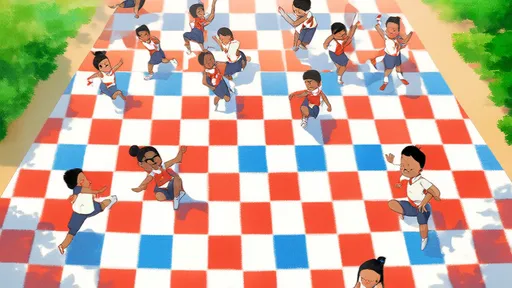
On schoolyards across the world, a quiet revolution in playground design is taking place, one hopscotch grid at a time. The traditional numbered squares chalked onto asphalt are being reimagined through the lens of color psychology, transforming simple ground games into nuanced tools for emotional and cognitive development. This movement, detailed in the recent study Ground Game Painting in Schools: The Application of Color Psychology in Hopscotch, explores how intentional color choices in these paintings do far more than beautify the playground—they actively influence children's moods, behaviors, and learning processes.
Arts

Eco-Art Practice: Creation with Eco-Friendly Materials and Nature-Inspired Themes

By /Aug 28, 2025

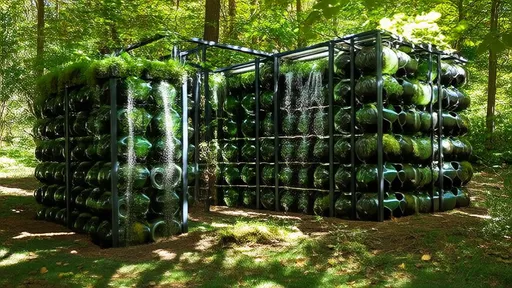
In recent years, the intersection of art and environmental consciousness has given rise to a compelling movement known as ecological art practice. This discipline merges creative expression with a profound commitment to sustainability, emphasizing the use of eco-friendly materials and themes drawn directly from the natural world. Artists engaged in this field are not merely creators; they are advocates, educators, and often activists, using their work to comment on pressing ecological issues and to propose alternative ways of interacting with our planet.
Arts

Maintenance and Preservation of Public Sculptures: Challenges of Outdoor Environments"

By /Aug 28, 2025

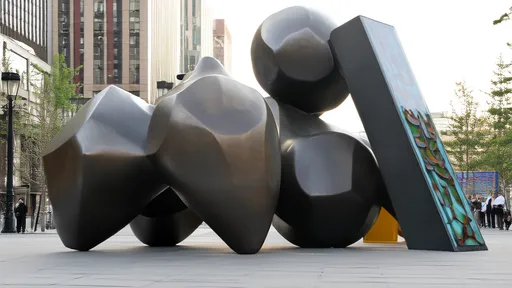
Public sculpture stands as a testament to our cultural heritage, artistic expression, and communal identity. These works, often monumental in scale and significance, face the relentless assault of outdoor environments. The preservation and maintenance of these pieces present a complex, multifaceted challenge that demands continuous attention, expertise, and resources. Unlike museum-held art, public sculptures are exposed to the elements, human interaction, and urban pollution, making their upkeep a specialized field that blends art conservation with environmental science and materials engineering.
Arts

Art Intervention in Hospitals: The Impact of Colors and Images on Healing Environments"

By /Aug 28, 2025

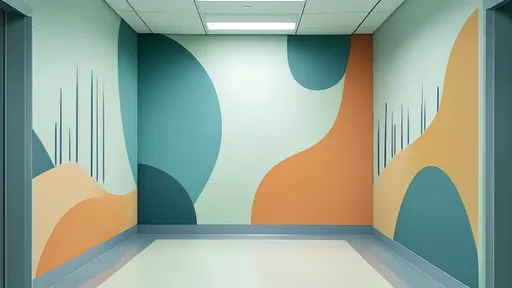
In the evolving landscape of healthcare, the integration of art into medical environments has emerged as a significant element in patient care and recovery. The concept of healing environments is not new, but its application through deliberate artistic interventions, particularly through the use of color and imagery, is gaining renewed attention. Hospitals, traditionally seen as sterile and intimidating spaces, are increasingly embracing art to transform their atmospheres, aiming to reduce stress, alleviate pain, and promote overall well-being among patients, families, and staff. This shift recognizes that health is not merely the absence of disease but a state of physical, mental, and emotional harmony, which can be nurtured by the surroundings.
Arts

Community-Engaged Art: Mural Projects Co-Created by Residents

By /Aug 28, 2025

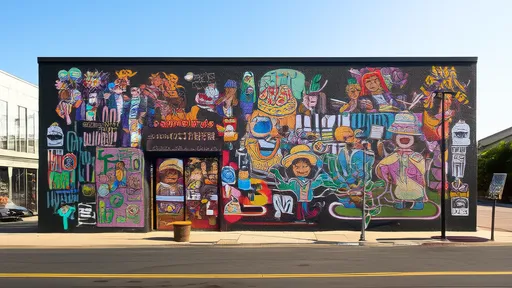
In the heart of urban landscapes across the globe, a quiet revolution is unfolding on the walls of our neighborhoods. Community participatory art, particularly in the form of co-created mural projects, has emerged as a powerful medium for social cohesion, cultural expression, and urban revitalization. These initiatives are far more than mere aesthetic enhancements; they represent a collaborative process where residents, artists, and local organizations come together to transform public spaces into canvases of shared identity and collective memory. The journey from a blank wall to a vibrant storytelling device involves dialogue, trust, and a shared vision, making the process as meaningful as the final artwork itself.
Arts

Art-Guided Urban Signage System: Upgrading Function and Aesthetics"

By /Aug 28, 2025

In the evolving landscape of urban development, cities worldwide are increasingly recognizing the transformative power of art-driven wayfinding systems. Moving beyond mere functionality, these systems merge practicality with aesthetic innovation, redefining how residents and visitors interact with urban spaces. The integration of artistic elements into signage not only enhances navigational efficiency but also cultivates a unique sense of place, turning mundane journeys into immersive cultural experiences.
Arts

Fashion and Art Intersect: Clothing as a Moving Canvas

By /Aug 28, 2025

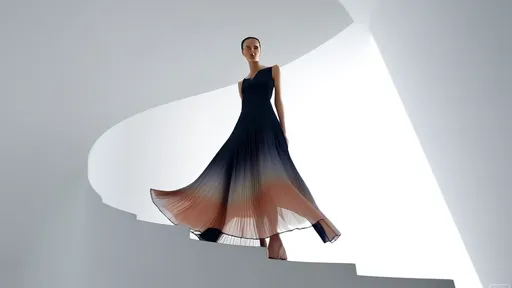
In the ever-evolving landscape of creative expression, the intersection of fashion and art has emerged as a dynamic frontier where boundaries blur and innovation thrives. No longer confined to the static walls of galleries or the fleeting runways of fashion weeks, this fusion has given rise to garments that transcend mere functionality, transforming into what can only be described as mobile canvases. This phenomenon is not merely a trend but a profound cultural shift, reflecting a deeper dialogue between two disciplines that have historically influenced and inspired one another.
Arts

Costume Design in Theatre: Fabric as Metaphor for Character Personality

By /Aug 28, 2025

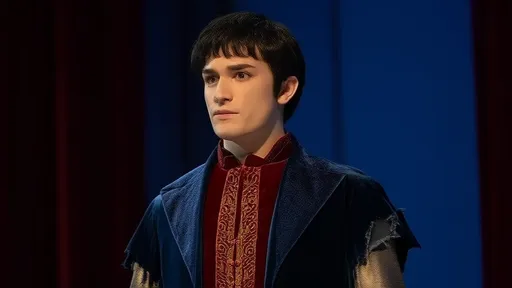
In the hushed darkness before the curtain rises, the first character to step onto the stage communicates before uttering a single word. Their silhouette, the whisper of fabric, the play of light upon a sleeve—these are the silent prologue to the performance. This is the profound language of theatrical costume design, a discipline where fabric selection becomes the primary vocabulary for articulating character essence, history, and destiny. The choice of material is never arbitrary; it is a deliberate, nuanced decision that weaves a complex metaphor of personality directly onto the actor's form, creating a tangible, visual psychology for the audience to read.
Arts

Creative Restoration of Historical Murals on Old Building Walls"

By /Aug 28, 2025

In the heart of many cities, old buildings stand as silent witnesses to bygone eras, their walls adorned with fading paintings that tell stories of cultural heritage and artistic expression. The restoration of these historical wall paintings is not merely an act of preservation but a creative endeavor that bridges the past and the present. This process involves a delicate balance between honoring original craftsmanship and introducing innovative techniques to ensure these treasures endure for future generations.
Arts

The Art of Food Plating: Visual Composition in Cooking

By /Aug 28, 2025

In the world of culinary arts, the visual presentation of a dish is as crucial as its flavor profile. The art of food plating, often referred to as culinary composition, transforms a meal into an experience that engages all the senses. It is not merely about arranging food on a plate; it is a deliberate and thoughtful process that reflects the chef's creativity, cultural influences, and technical prowess. From high-end restaurants to home kitchens, the principles of plating have evolved into a sophisticated discipline that merges aesthetics with gastronomy.
Arts

Art and Psychology: The Emotional Impact of Color and Shape"

By /Aug 28, 2025

The interplay between art and psychology has long fascinated scholars and creators alike, particularly in how visual elements like color and shape evoke and influence human emotions. This intricate relationship forms the foundation of both artistic expression and psychological response, weaving a complex tapestry that speaks to the very core of human experience. Art is not merely a visual feast; it is a language of emotions, and psychology provides the lexicon to decode it.
Arts

Dance and Painting: Capturing the Lines of the Dynamic Body

By /Aug 28, 2025

In the dimly lit studio, a dancer's body carves through space like a living brushstroke, while across the room, an artist's hand feverishly attempts to translate this ephemeral motion onto paper. This centuries-old dialogue between kinetic expression and static representation forms the core of our exploration into how the human body in motion becomes immortalized through line and form. The relationship between dance and drawing is not merely observational—it is a symbiotic conversation where one discipline breathes life into the other.
Arts

Art Festivals and Urban Revitalization: Economic and Social Impacts of Cultural Events

By /Aug 28, 2025

In cities across the globe, the interplay between cultural events and urban revitalization has become a focal point for policymakers, economists, and community advocates alike. The concept of using art festivals as catalysts for renewal is not merely a trend but a strategic approach to breathing new life into struggling urban areas. These events, often sprawling and multifaceted, do more than entertain; they stimulate local economies, foster social cohesion, and reshape the identity of the places they inhabit. The economic and social ramifications of such cultural undertakings are profound, weaving a complex tapestry of benefits that extend far beyond the duration of the festivals themselves.
Arts

Rural Art Projects: Practices of Art Activating Rural Values

By /Aug 28, 2025

In the quiet embrace of rural landscapes, a transformative movement is unfolding—one where art becomes the catalyst for cultural revival, economic rejuvenation, and community cohesion. The Rural Art Project: Art Activates Local Value initiative exemplifies this shift, demonstrating how creativity can breathe new life into forgotten terrains and rekindle the intrinsic worth of the countryside.
Arts

Music Visualization: The Color Transformation Experiment of Sound Wave Vibrations

By /Aug 28, 2025

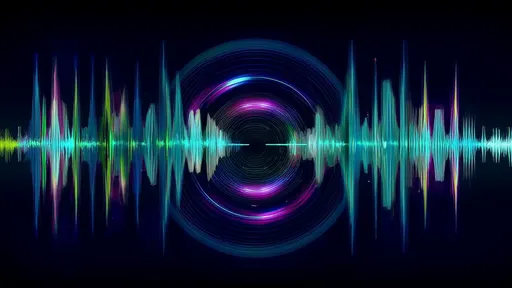
In the ever-evolving intersection of art and technology, a fascinating experiment has been capturing the attention of both audiophiles and visual artists alike. Titled "Music Visualization: An Experiment in Color Conversion of Sound Waves," this project delves into the transformative process of turning auditory vibrations into a stunning visual spectrum. The core premise revolves around the idea that sound, often experienced as an invisible force, can be given a tangible, colorful form, allowing for a multisensory engagement with music that transcends traditional listening experiences.
Arts

Public Park Installation Art: The Integration of Functionality and Aesthetics

By /Aug 28, 2025

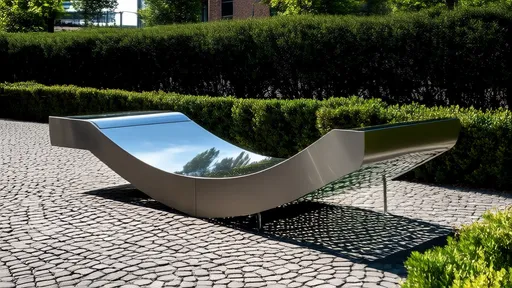
In the evolving landscape of urban design, the integration of functional and aesthetic elements within public spaces has become a central focus for architects, artists, and city planners alike. Among these developments, park installations stand out as a particularly compelling medium where artistry meets utility. These installations transform ordinary green spaces into dynamic environments that engage communities, foster interaction, and enhance the overall experience of public recreation.
Arts

Art of Architectural Models: Conceptual Expression in Miniature Spaces"

By /Aug 28, 2025

In the hushed galleries where scale becomes an illusion and detail commands reverence, architectural model making transcends its traditional role as a mere representation of a future structure. It has blossomed into a profound artistic discipline, a medium where concepts are not just shown but felt, where space is not just measured but experienced. This is the world of architectural model art—a realm where miniature worlds breathe life into big ideas.
Arts

Art and Technology: Ethics and Aesthetics of AI-Generated Images

By /Aug 28, 2025

In the ever-evolving landscape of creative expression, the emergence of AI-generated imagery stands as one of the most provocative and transformative developments of our digital age. This fusion of algorithmic precision and artistic potential is not merely a new tool in the artist's kit; it is fundamentally reshaping the boundaries of what we consider art, who we consider an artist, and how we assign value to the act of creation itself. The conversation surrounding this technology has rapidly moved from technical curiosity to a deep, necessary discourse on ethics and aesthetics, forcing us to re-examine long-held beliefs about originality, authorship, and the very soul of human creativity.
Arts

Subway Station Ceramic Murals: Fragmented Narratives of Urban Memory

By /Aug 28, 2025

In the relentless rhythm of urban transit, where commuters are often absorbed in the immediacy of their journeys, an unexpected form of storytelling quietly persists. Across the globe, ceramic murals embedded within subway stations are doing more than merely adorning cold, utilitarian spaces; they are serving as fragmented, yet profound, narrators of city memory. These artworks, often overlooked in the daily rush, compile a mosaic of historical, cultural, and social fragments, offering a unique lens through which to view the soul of a metropolis.