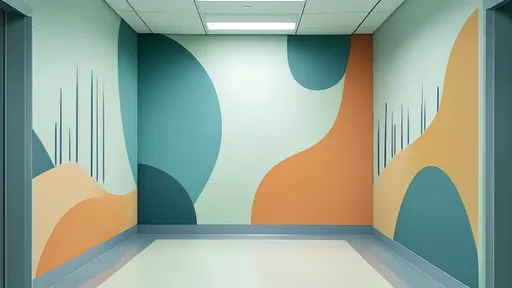
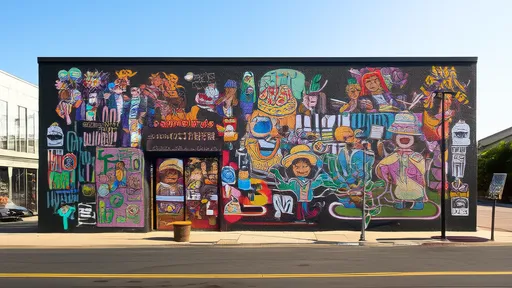
In the heart of urban landscapes across the globe, a quiet revolution is unfolding on the walls of our neighborhoods. Community participatory art, particularly in the form of co-created mural projects, has emerged as a powerful medium for social cohesion, cultural expression, and urban revitalization. These initiatives are far more than mere aesthetic enhancements; they represent a collaborative process where residents, artists, and local organizations come together to transform public spaces into canvases of shared identity and collective memory. The journey from a blank wall to a vibrant storytelling device involves dialogue, trust, and a shared vision, making the process as meaningful as the final artwork itself.
The genesis of such a project often begins with a recognized need—a dilapidated building, a neglected public space, or a community seeking to strengthen its bonds. Local governments, art nonprofits, or grassroots groups typically initiate the process, but the true driving force is the community's desire to reclaim and redefine their environment. Artists are brought in not as solitary creators but as facilitators, guides who listen as much as they instruct. Workshops and town hall meetings are organized to gather input, allowing residents to voice their stories, histories, and aspirations. This phase is crucial; it ensures the mural reflects the community's voice rather than imposing an external perspective.
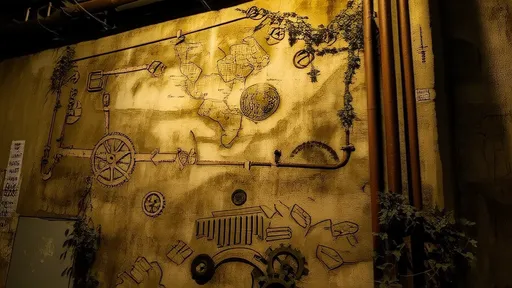
During these collaborative sessions, themes begin to emerge. They might draw from local history, cultural heritage, environmental concerns, or hopes for the future. For instance, a mural in a neighborhood with a strong immigrant population might incorporate motifs from various countries of origin, symbolizing unity in diversity. In areas grappling with social issues, the art might serve as a platform for advocacy, addressing topics like justice, equality, or environmental sustainability. The design process is iterative, with sketches and digital mockups shared widely for feedback, ensuring every stroke resonates with those who live there.
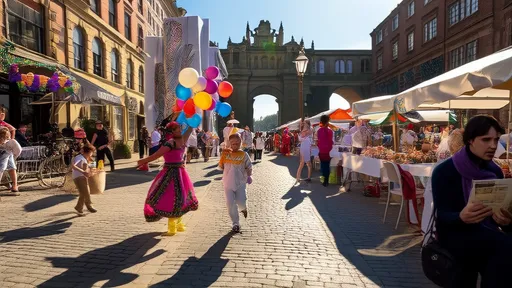
Once the design is finalized, the physical creation begins, and this is where magic truly happens. Volunteers of all ages—children, elders, and everyone in between—gather with brushes and paint, working side by side with professional artists. There is a palpable energy in these gatherings; laughter mixes with focused silence as sections of the wall gradually come to life. For many participants, it is their first time holding a paintbrush, yet their contributions are invaluable. This hands-on involvement fosters a deep sense of ownership and pride, turning bystanders into stakeholders. The wall ceases to be just a structure; it becomes a testament to what can be achieved together.
The impact of these projects extends far beyond the visual transformation. Psychologically, engaging in creative acts has been shown to reduce stress, build confidence, and strengthen community ties. For marginalized groups, it offers a platform to be seen and heard, validating their experiences in a public forum. Economically, beautified areas can attract tourism and local business, though the primary benefit remains social. These murals often become landmarks, points of pride referenced in local guides and social media, drawing visitors who contribute to the area's vitality.
However, the path is not without challenges. Securing funding can be difficult, relying on grants, donations, or municipal support. Weather delays, logistical issues, and occasional bureaucratic hurdles can slow progress. Perhaps the most significant challenge is ensuring genuine inclusivity—avoiding tokenism and making sure all voices, especially those often silenced, are equitably represented. This requires sensitive facilitation and ongoing dialogue to navigate differing opinions and conflicts that may arise.
Despite these obstacles, the successes are profound and lasting. Take, for example, the Hope Wall project in a post-industrial city, where a once-graffiti-covered alley became a colorful narrative of the community's resilience. Or the Harmony Mural in a culturally diverse district, which depicted traditional patterns from multiple heritages intertwined seamlessly. These projects did not just change walls; they strengthened community networks, sparked further civic engagement, and even reduced instances of vandalism, as residents developed a protective attitude toward their creation.
Looking ahead, the future of community participatory art is bright. Digital tools are expanding possibilities, with augmented reality layers adding interactive elements to physical murals. Social media amplifies their reach, inspiring other communities to embark on similar journeys. Importantly, the ethos of these projects—collaboration, empathy, and shared ownership—offers a blueprint for addressing broader societal issues. In a world often divided, these co-created murals stand as bold reminders of our capacity to build beauty and understanding together.
In conclusion, community participatory mural projects are more than art; they are acts of democracy in practice. They transform not only spaces but also the people who create them, weaving threads of connection across diverse backgrounds. As these initiatives continue to grow, they reaffirm the power of collective creativity to heal, inspire, and unite, proving that when a community paints together, it builds far more than a mural—it builds a legacy.

By /Aug 28, 2025
By /Aug 28, 2025
By /Aug 28, 2025
By /Aug 28, 2025
By /Aug 28, 2025
By /Aug 28, 2025
By /Aug 28, 2025

By /Aug 28, 2025
By /Aug 28, 2025
By /Aug 28, 2025

By /Aug 28, 2025
By /Aug 28, 2025
By /Aug 28, 2025
By /Aug 28, 2025
By /Aug 28, 2025
By /Aug 28, 2025
By /Aug 28, 2025
By /Aug 28, 2025
By /Aug 28, 2025
By /Aug 28, 2025
