In the evolving landscape of urban design, the integration of functional and aesthetic elements within public spaces has become a central focus for architects, artists, and city planners alike. Among these developments, park installations stand out as a particularly compelling medium where artistry meets utility. These installations transform ordinary green spaces into dynamic environments that engage communities, foster interaction, and enhance the overall experience of public recreation.
The concept of blending functionality with aesthetics is not new, yet its application in park settings has gained remarkable momentum in recent decades. Traditionally, public art in parks was often purely decorative—sculptures or monuments intended primarily for visual appreciation. However, contemporary approaches have shifted towards creating works that serve dual purposes: they captivate the eye while also providing practical benefits such as seating, shading, play structures, or even environmental functions like rainwater collection. This synergy not only maximizes the use of space but also enriches the cultural and social fabric of urban areas.
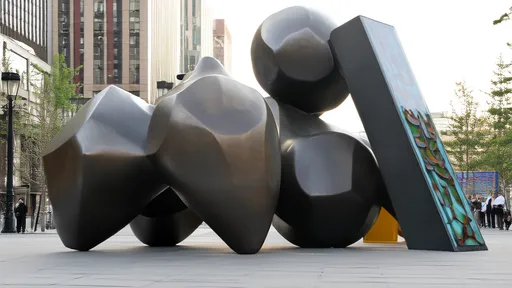
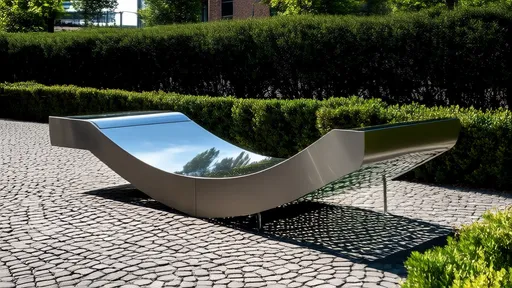
One of the key drivers behind this trend is the growing recognition of parks as vital communal hubs. In an era where urbanization is accelerating, parks offer a respite from the concrete jungle, and the incorporation of multi-functional art helps to elevate their role. These installations invite people to not just view but interact with their surroundings, turning passive observation into active participation. For instance, a beautifully designed bench that doubles as a sculpture encourages visitors to sit, relax, and socialize, thereby fostering a sense of community.
Moreover, the aesthetic appeal of these installations plays a crucial role in enhancing the visual identity of a park. A well-executed piece can become a landmark, drawing visitors and becoming a symbol of the local culture. Artists and designers often draw inspiration from the natural environment, using materials and forms that complement the landscape while introducing innovative elements that surprise and delight. This careful balance ensures that the installations feel integrated rather than intrusive, enhancing rather than overshadowing the natural beauty of the park.
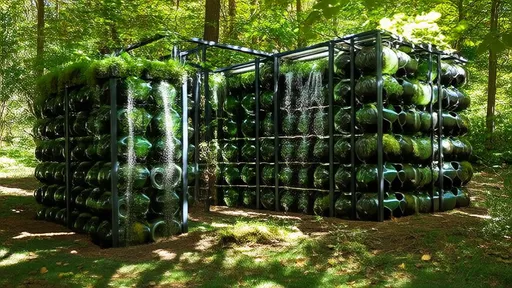
Functionality, on the other hand, ensures that these artistic endeavors are not merely ornamental but contribute meaningfully to the park's usability. Practical features such as lighting integrated into artistic structures improve safety during evening hours, while interactive elements like musical installations or kinetic sculptures provide entertainment and educational value for children and adults alike. In some cases, functionality extends to ecological benefits; installations designed with sustainable materials or green technologies support environmental goals, aligning with broader efforts to create eco-friendly urban spaces.
The collaborative nature of these projects is another aspect worth highlighting. Successful park installations often result from partnerships between artists, designers, engineers, and the community. This multidisciplinary approach ensures that the final product is not only visually striking and functionally sound but also responsive to the needs and desires of the people who use the space. Public consultations and participatory design processes can lead to installations that resonate deeply with local residents, creating a sense of ownership and pride.
However, achieving the perfect marriage of function and aesthetics is not without challenges. Designers must navigate constraints such as budget limitations, maintenance requirements, and safety regulations without compromising artistic integrity. Durability is a particular concern; outdoor installations are exposed to the elements and heavy use, necessitating materials and construction techniques that can withstand wear and tear over time. Despite these hurdles, many projects have demonstrated that with creativity and careful planning, it is possible to create works that are both beautiful and resilient.
Looking at specific examples, installations like the "Wave Arbor" in City Park illustrate this principle effectively. This structure serves as a shaded seating area with undulating forms that evoke ocean waves, providing a cool retreat on hot days while also serving as a striking visual focal point. Similarly, the "Solar Petals" in Riverside Gardens are flower-like sculptures equipped with solar panels that power park lighting at night, combining renewable energy technology with whimsical design. These examples show how art can be seamlessly woven into the functional infrastructure of a park.
The impact of such installations extends beyond immediate practicality and visual appeal. They can stimulate economic benefits by attracting tourists and boosting local businesses, while also contributing to social well-being by creating inviting spaces that encourage physical activity and mental relaxation. In educational terms, they offer opportunities for public art appreciation and environmental awareness, especially when accompanied by interpretive signage or community workshops.
As cities continue to grow and evolve, the role of park installations as mediators between nature, art, and urban life will likely become even more significant. Future trends may see greater incorporation of digital technology, such as interactive light displays or augmented reality elements, adding new layers of engagement. Sustainability will also remain a priority, with more installations designed to support biodiversity, manage stormwater, or reduce carbon footprints.
In conclusion, the fusion of functionality and aesthetics in park installation art represents a powerful tool for enhancing public spaces. By creating works that are both useful and beautiful, designers and artists not only improve the quality of urban environments but also enrich the human experience. These installations remind us that art is not separate from everyday life but an integral part of it, capable of transforming ordinary moments into extraordinary ones. As we move forward, embracing this holistic approach will be key to building more livable, vibrant, and sustainable cities for all.

By /Aug 28, 2025

By /Aug 28, 2025
By /Aug 28, 2025
By /Aug 28, 2025
By /Aug 28, 2025
By /Aug 28, 2025
By /Aug 28, 2025
By /Aug 28, 2025
By /Aug 28, 2025
By /Aug 28, 2025

By /Aug 28, 2025
By /Aug 28, 2025

By /Aug 28, 2025
By /Aug 28, 2025
By /Aug 28, 2025
By /Aug 28, 2025
By /Aug 28, 2025
By /Aug 28, 2025

By /Aug 28, 2025
By /Aug 28, 2025
