In the intricate dance between literature and visual art, the creation of literary illustrations stands as a profound act of translation—a metamorphosis of narrative from the abstract realm of words into the tangible world of images. This process, far from being a mere decorative afterthought, is a deeply interpretive and creative endeavor that requires not only technical skill but also a nuanced understanding of the source text. The illustrator must become a close reader, a critic, and a co-storyteller, navigating the delicate balance between faithfulness to the author's vision and the injection of their own artistic voice. It is a journey into the subtext, the moods, and the unwritten spaces of a story, demanding a sensitivity to rhythm, tone, and the unsaid.
The initial encounter between an illustrator and a text is akin to a first reading, yet it is charged with a different purpose. While a reader absorbs the story for personal enjoyment or analysis, the illustrator dissects it with a surgical eye, searching for visual hooks—key moments, evocative descriptions, symbolic objects, or particularly potent emotional atmospheres that can be anchored into an image. This is not about illustrating every plot point; it is about identifying the core of a scene, the essence of a character, or the overarching theme that can be amplified through visual means. The choice of what to illustrate is itself a critical commentary, highlighting what the artist deems most vital or visually compelling within the narrative architecture.
Once a moment is selected, the true work of narrative conversion begins. The illustrator must make a series of crucial decisions that will define the final image's relationship to the text. Perspective is paramount: through whose eyes is the scene being shown? Is it an omniscient, objective view, or does the image adopt the limited, subjective perspective of a character, thereby immersing the viewer in their experience? The composition must guide the viewer's eye, creating a visual hierarchy that emphasizes narrative importance and controls the pacing of how the "story within the story" is read. Light and shadow are employed not just for modeling form but to sculpt mood, signify symbolism, and evoke the psychological undertones of the scene.
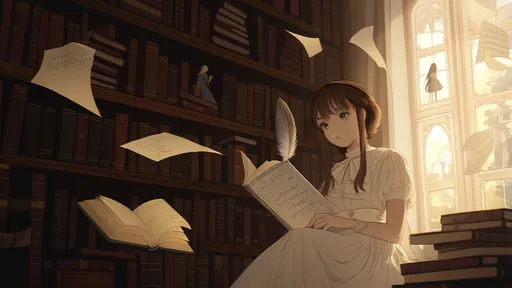
Character representation is perhaps one of the most daunting challenges. The illustrator gives a face, a body, and a posture to figures that have, until then, existed only in the reader's imagination. This act walks a fine line between specificity and suggestion. A overly detailed rendering might clash with a reader's internal vision, while a too-ambiguous representation might fail to capture the character's essence. The most successful illustrators suggest rather than dictate, using expressive lines and thoughtful design to capture a character's personality, social status, and inner life, leaving room for the viewer's imagination to collaborate. The clothes they wear, the objects they hold, and the spaces they inhabit all become extensions of their narrative function.
Beyond literal representation, the power of an illustration often lies in its ability to visualize the subtext—the emotions, tensions, and themes that simmer beneath the surface of the dialogue and action. A glance exchanged between two characters can be loaded with meaning far beyond what is stated on the page. A seemingly peaceful landscape can be rendered with ominous tones foreshadowing impending doom. The artist uses metaphor in visual form: a wilting flower in the background might mirror a character's fading hope; a cracked mirror might reflect a fractured identity. This layer of interpretive depth is what transforms a competent drawing into a powerful narrative partner to the text, offering insights that enrich the reading experience.
The stylistic approach is the illustrator's signature, the unique lens through which they filter the text. The choice of medium—be it the bold, graphic lines of woodcut, the soft, emotive washes of watercolor, the digital precision of vector art, or the textured richness of oil painting—immediately sets a tone. Style communicates as much as the subject matter itself. A grotesque, exaggerated style might perfectly suit a satirical novel, while a delicate, realistic style might be chosen for a historical drama. The style must be in concert with the genre, period, and emotional core of the literature. It is not merely an aesthetic choice but a narrative one, shaping how the viewer perceives and feels about the story.
Ultimately, the relationship between text and image is a symbiotic dialogue. A great illustration does not simply repeat the story; it converses with it. It can amplify moments of tension, provide respite through quiet visual passages, offer an alternative perspective on a event, or even reveal ironic contrasts unseen in the text alone. The reader-viewer is invited to engage in a back-and-forth, reading the text and then re-reading it through the lens of the image, and vice versa. This interplay creates a richer, more multidimensional understanding of the narrative. The illustration becomes a permanent part of the literary work's legacy, shaping how generations of readers will envision and remember the story.
In conclusion, the craft of literary illustration is a complex and deeply rewarding field that sits at the intersection of literary criticism and visual art. It is a practice of careful reading, empathetic interpretation, and bold visual storytelling. The illustrator is a translator of worlds, tasked with building a bridge of ink, paint, or pixels between the author's words and the reader's imagination. Through their choices in moment, composition, character, and style, they don't just depict a story—they renew it, challenge it, and celebrate it, ensuring that the dialogue between the literary and the visual continues to thrive and inspire.
By /Aug 28, 2025
By /Aug 28, 2025

By /Aug 28, 2025

By /Aug 28, 2025

By /Aug 28, 2025
By /Aug 28, 2025
By /Aug 28, 2025

By /Aug 28, 2025

By /Aug 28, 2025
By /Aug 28, 2025

By /Aug 28, 2025
By /Aug 28, 2025
By /Aug 28, 2025

By /Aug 28, 2025

By /Aug 28, 2025
By /Aug 28, 2025

By /Aug 28, 2025

By /Aug 28, 2025

By /Aug 28, 2025

By /Aug 28, 2025
